The Tualatin River Watershed finished the 2025-26 water year nearly 3 inches short of normal rainfall. A strengthening El Niño could shift the outlook for Washington County's water supply this winter.
Clean Water Services (CWS), the county service district that manages wastewater and stormwater for more than 600,000 residents including Bethany, Cedar Mill, Oak Hills and West Haven-Sylvan, recorded 31.5 inches of rain at the Hillsboro Airport for the water year ending Wednesday, Sept. 30. The long-term average is 34.2 inches.
Most of the rain fell in fall and winter. Spring was dry, continuing a pattern CWS says is increasingly common.
That drier spring forced an early response.
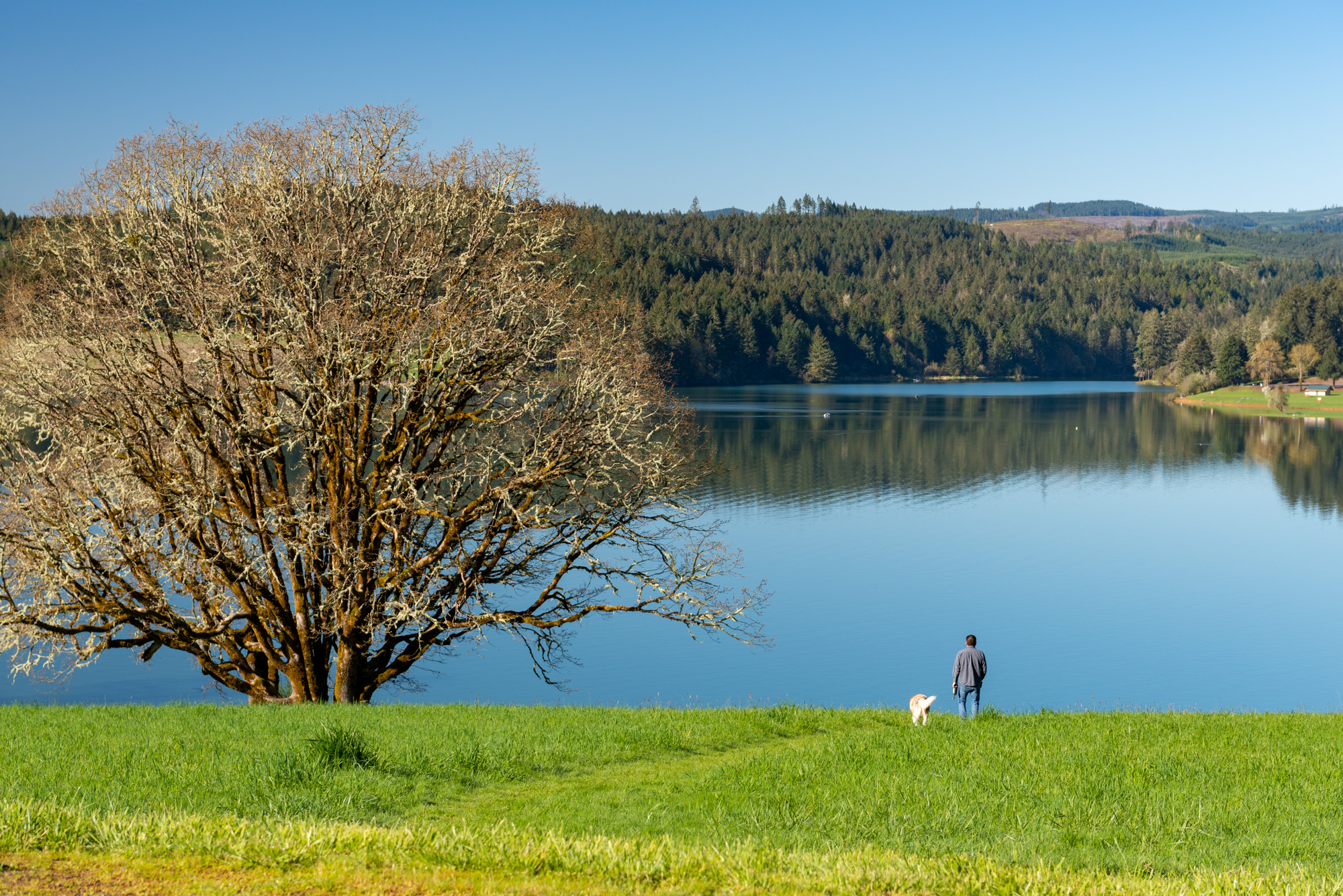
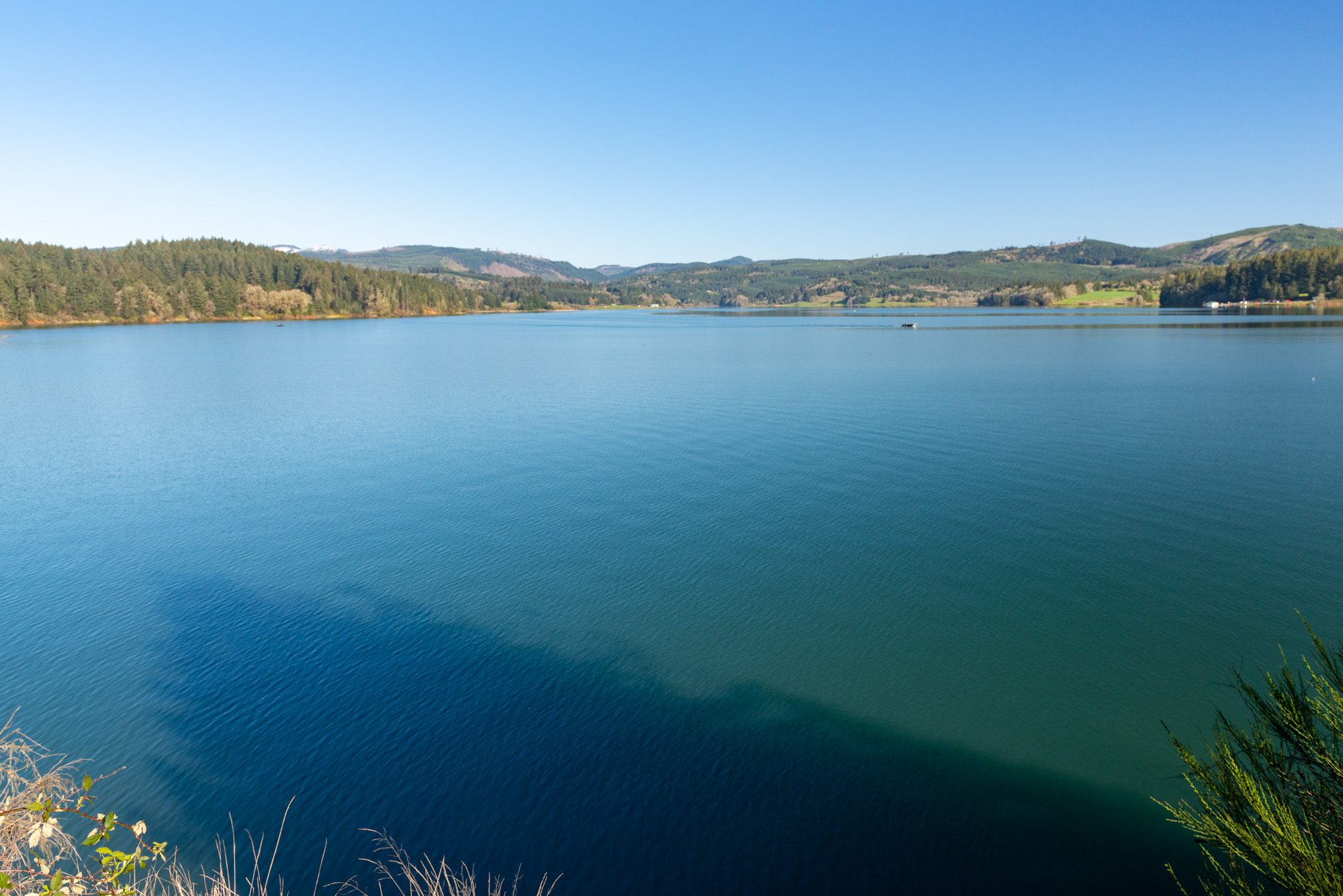
CWS and its Tualatin River Flow Management Committee partners began releasing stored water from Hagg Lake and Barney Reservoir on May 12, earlier than in recent years. The 2025-26 winter brought higher-than-average temperatures with low snow and precipitation, according to CWS.
In a typical year, CWS releases about 30 million gallons per day from those reservoirs to maintain stream flows, cool water temperatures and support fish habitat. By late summer, more than 70 percent of the flow in the lower Tualatin River comes from stored releases and CWS water resource recovery facilities in Forest Grove, Hillsboro and Tigard.
El Niño adds uncertainty
The new water year begins Thursday, Oct. 1, under a shifting forecast. The National Oceanic and Atmospheric Administration's (NOAA) Climate Prediction Center reported Sept. 17 that El Niño is strengthening, with a greater than 90 percent chance of a very strong event this fall and winter.
NOAA's outlook shows above-normal precipitation could reach as far north as central Oregon, and possibly farther north given the event's intensity. The agency also estimated a 75 percent chance during October through December that the event could exceed the strength of every El Niño since 1950.
The picture for Washington County is not clear-cut. NOAA's same outlook shows modest tilts toward below-normal precipitation over interior portions of the Pacific Northwest, and a negative Pacific Decadal Oscillation could dampen the typical wet signal along the West Coast. Washington County sits between these competing zones.
CWS Water Resources Analyst Jake Dombrowski said in the district's Sept. 23 water year recap that a wetter winter would help. "A wetter winter will be a welcome change for the Tualatin River as we adapt to longer and drier summers, which impact the stream flows and water demand in what is already a highly managed river," Dombrowski said.
The Tualatin River faces high demands for agricultural, industrial and urban use. CWS says discharged water from its recovery facilities makes up 50 percent or more of the river's flow during summer months.
How residents can weigh in
The Washington County Board of Commissioners serves as the CWS Board of Directors. Regular board meetings are held on the second Tuesday of each month at 9 a.m. and the fourth Tuesday at 5:30 p.m. Residents can sign up to testify by emailing [email protected] or calling 503-615-6241.
NOAA's next seasonal outlook update is scheduled for Oct. 15.