Washington County housing programs reached more than 18,500 people during the fiscal year that ended June 30, according to the Department of Housing Services' annual report released Nov. 10. A new online waitlist now lets applicants choose a zone that includes Beaverton and the area north of Highway 26.
Half of all renters in the county are cost-burdened and median rent has hit $1,898 a month, according to the report, which cited U.S. Census Bureau data.
"At a time of extraordinary federal uncertainty, we are building lasting stability for thousands of people," said Molly Rogers, director of the Department of Housing Services. "These results show what sustained investments can accomplish … and what is at stake if our community loses the housing and homeless services people depend on."
The majority of those served were children, people with disabilities and older adults, the report stated. Among rental assistance participants, 93% of households included people with disabilities, seniors or families with children. About 5,200 children and teens and more than 3,300 seniors received help.
The department reported more than 11,100 people supported through long-term rental assistance, 4,400 people given short-term housing help and more than 2,800 people aided through shelter or outreach. The annual report document noted the median income for rental assistance participants is $987 a month, while fair market rent for a one-bedroom apartment is $1,633.
The gap is wide. For every household that finds housing, three more ask for help, according to the county's Coordinated Entry data, a system that matches people with housing programs.
Shelter expansion and Metro funding
The report highlighted a shift from temporary to permanent shelter locations. The Hillsboro Shelter opened with 75 year-round beds and onsite services including meals and housing navigation. Family Promise of Tualatin Valley's Bridge to Home Shelter reopened after renovations with 70 rooms for families. More than 400 year-round beds now operate countywide.
Much of the work is funded through the Metro Supportive Housing Services (SHS) measure, which voters approved in 2020. That funding represents roughly 80% of the department's homeless services budget and is scheduled to sunset in 2031. In its fifth year, the county reported exceeding housing goals, supporting over 4,600 formerly homeless residents with rent assistance and preventing homelessness for more than 1,100 people.
Metro Council President Juan Carlos González called the measure "a truly regional investment." He said the year-five results "show the power of that shared commitment" among Multnomah, Washington and Clackamas counties.
Bond results and homeownership
The 2018 Metro Affordable Housing Bond brought $207 million to the county, including the cities of Beaverton and Hillsboro, and leveraged another $523 million from public and private partners, the annual report stated. The housing authority invested in 13 new affordable housing communities with more than 1,000 apartment homes, surpassing the local goal of 814.
Beaverton broke ground on Meadowlark Place, which will add 104 affordable homes. Hillsboro opened Dolores, adding 66. Predevelopment advanced on 132 additional homes through the Aloha 209 and Forest Grove projects. The bond program page shows Washington County jurisdictions received $192.2 million of the total regional bond funds.
The county's Section 18 public housing program sold 35 single-family homes by the end of the fiscal year, including 16 to first-time homebuyers. Those sales generated $13 million that will be reinvested into new affordable housing.
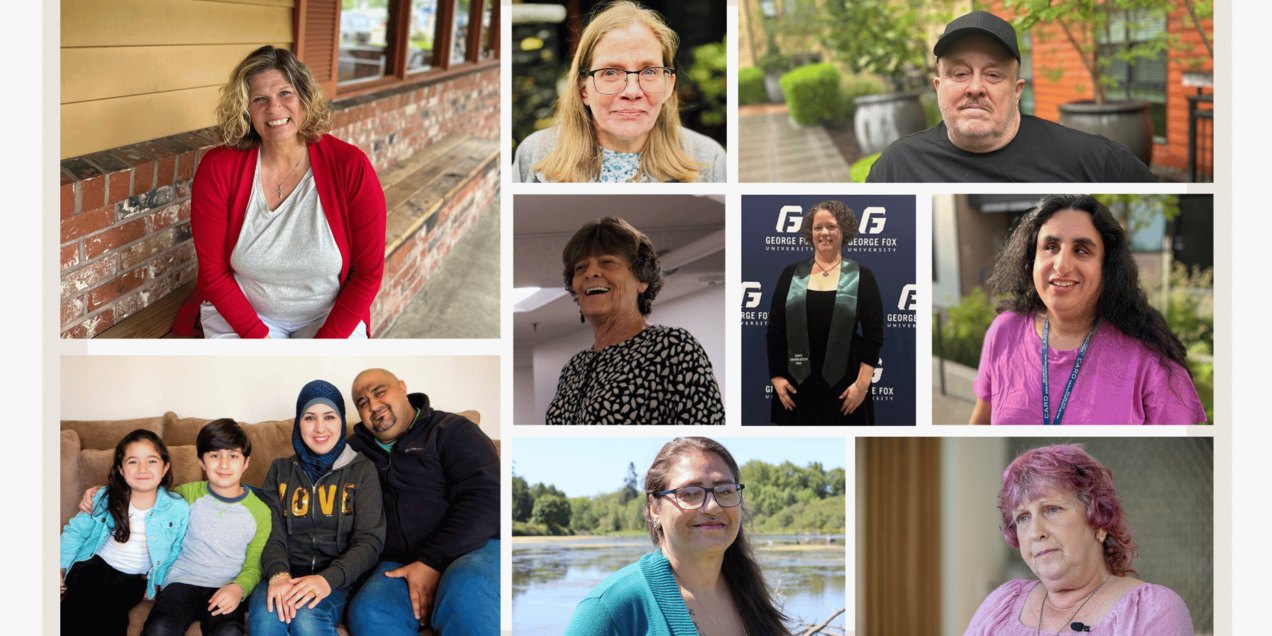
Ahmed, a former journalist from Iraq who rebuilt his life in Oregon, purchased his home through the program. "We sat and signed it, we even took pictures to show our family, because this is a dream come true," he said in the report. "I'm the first person, in my entire family, to own a house in the United States."
The housing authority's new online waitlist combines several programs into one application. Applicants choose from four zones: Forest Grove and Cornelius, Hillsboro, Beaverton and the area north of Highway 26, and Tigard.
The department's 2026-2027 work plan focuses on expanding access for underserved communities and strengthening resident services, according to the report.