Washington County residents served by Portland General Electric are seeing lower electricity bills after Oregon forced data centers to pay more for power. That policy split dominated the first televised debate between Gov. Tina Kotek and state Sen. Christine Drazan, R-Canby, on Thursday, Oct. 1, at the University of Oregon in Eugene.
A new OPB-commissioned poll shows the race is essentially tied. DHM Research surveyed 915 likely voters from Sept. 17–27 and found Drazan leading 47% to 46% after undecided voters were pressed on their leanings. The margin falls within the poll's 3.24-percentage-point margin of error.
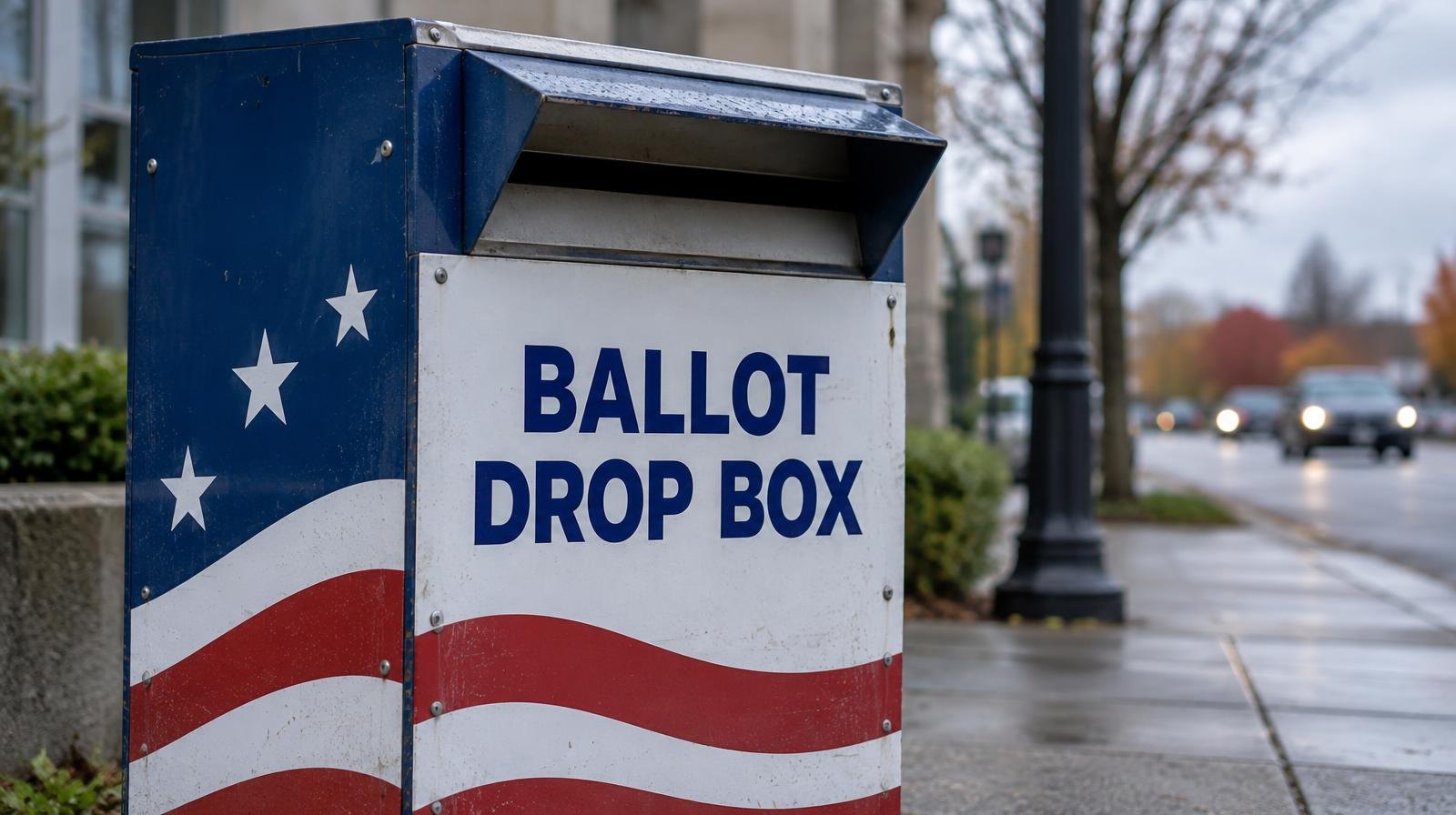
Ballots for the Nov. 3 general election begin arriving in Washington County mailboxes Oct. 14.
Data centers hit home
Kotek attacked Drazan for voting against the 2025 POWER Act (House Bill 3546), a state law that created a separate utility rate class for data centers consuming more than 20 megawatts of power. Since PGE updated its rates under the law, residential customers have seen an average 1.3% decrease in electricity bills while data centers in PGE territory face a 29% increase, according to an Oregon Public Utility Commission report.
Washington County has grown into a major data center hub. Hillsboro's City Council unanimously passed a 120-day moratorium on new data center applications on July 27. The OPB/DHM poll found 72% of likely voters said the candidates' positions on data centers would matter to their vote, with 40% calling the issue very important.
In an Aug. 30 OPB interview, before the debate, Kotek said: "If we're going to have data center growth, and I think we should over time, it's got to be right. How do they use their energy? How do they monitor and manage their water usage?"
Affordability and the economy
Cost of living topped the poll's list of voter concerns at 18%, followed by high taxes at 16% and homelessness at 13%. Only 29% of likely voters said Oregon is headed in the right direction.
Both candidates endorsed the recommendations of Kotek's prosperity council, a group of economic advisers she convened in 2025. The council recommended cutting taxes, reducing regulations and replacing the state's Climate Protection Program. They disagreed on speed.
Drazan said Kotek should have acted faster. "We continue to get reports one after another talking about jobs that are leaving our state and going to states that are more competitive," she said at the debate. Kotek countered that she is preparing legislation for the next session and pointed to a fast-track permit process the Legislature approved this year. Drazan voted for that law.
Trump, donors and the stakes
Drazan said she did not support President Trump's decision to send the National Guard to Portland. "Let me be clear, I don't want National Guard troops in Oregon," she said. A federal judge later blocked the deployment. Kotek said she and the attorney general fought the action in court.
The candidates also sparred over campaign money. The 2026 race is the final cycle with unlimited contributions in Oregon. Kotek has raised more than $12 million compared to Drazan's nearly $11 million, as first reported by the Portland Tribune. Kotek holds more than $4.4 million in her campaign account versus Drazan's $1.1 million.
A Drazan win would make her Oregon's first Republican governor since Victor Atiyeh won his second term in 1982. The Cook Political Report shifted its rating of the race from "Likely Democrat" to "Lean Democrat" in September.
The candidates meet again Wednesday, Oct. 7, at 7 p.m. in Medford for their second debate.