A statewide effort to track how Oregon's roads affect wildlife launched Saturday, Oct. 17, and Bethany-area residents can join in with nothing more than a smartphone.
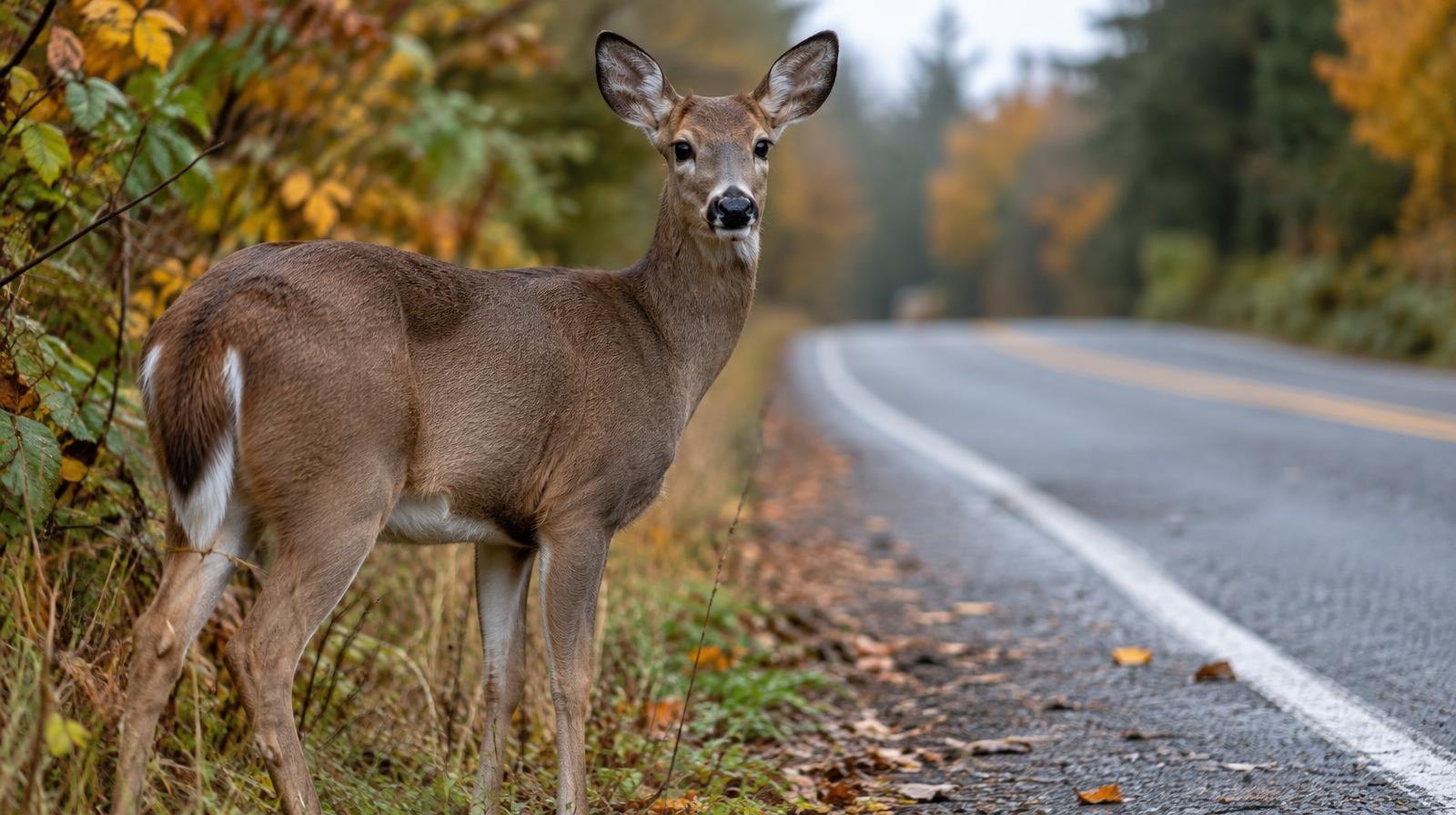
The 2026 Oregon Roadside Wildlife Count, organized by the nonprofit Environment Oregon Research & Policy Center, runs through Sunday, Oct. 25. Volunteers photograph any animals they see near roads, dead or alive, and upload the images to the free iNaturalist app. Spotting a deer near Rock Creek Trail or a raccoon along West Union Road would count.
The Oregon Capital Chronicle first reported on the count Oct. 6. Dozens of volunteers across the state have already signed up, according to OPB.
The data will feed into the Oregon Department of Fish and Wildlife's (ODFW) existing iNaturalist projects tracking wildlife sightings and roadkills. Justin Boyles, conservation advocate for Environment Oregon, said the count will help identify where wildlife crossings are most needed.
"When roads cut through their territories, just simply accessing water sources or seeking food sources can become a deadly proposition," Boyles told OPB in an Oct. 12 interview.
Oregon records more than 7,000 large wildlife-vehicle collisions each year, according to OPB. That figure does not include smaller animals struck and left unreported. Fall is an especially active time for wildlife because mating season and migration push animals across roadways, Boyles said in the Oct. 6 Oregon Capital Chronicle report.
The state has built at least six wildlife crossings, mostly tunnels under roads in central Oregon, according to Oregon Department of Transportation (ODOT) spokesperson Katherine Benenati, as reported by the Oregon Capital Chronicle. One crossing is in design and another is awaiting construction funding.
Boyles told the Oregon Capital Chronicle in the Oct. 6 report that ODOT needs funding for crossings but that budget constraints make it difficult. Environment Oregon plans to compile the collected data into an interactive map later this year and share results with agency partners and decision-makers.
How to participate
Volunteers can walk, bike or drive along any Oregon road. Environment Oregon asks participants to photograph wildlife only when it is safe. Participants should pull over or snap a picture as a passenger. The iNaturalist app logs the location and time of each image automatically.
Anyone can sign up on Environment Oregon's event page at any point during the count. Registration is free.
The count ends Sunday, Oct. 25.