A $1.5 million piece of Oregon's push to train AI-ready college faculty has stalled after Nvidia suspended its AI Ambassador program this spring.
The pause leaves unspent the portion of a $10 million state investment earmarked for training faculty at Oregon colleges, the Oregon Capital Chronicle first reported on Thursday, Oct. 1. No new ambassadors were ever certified in Oregon before the program stopped accepting candidates.
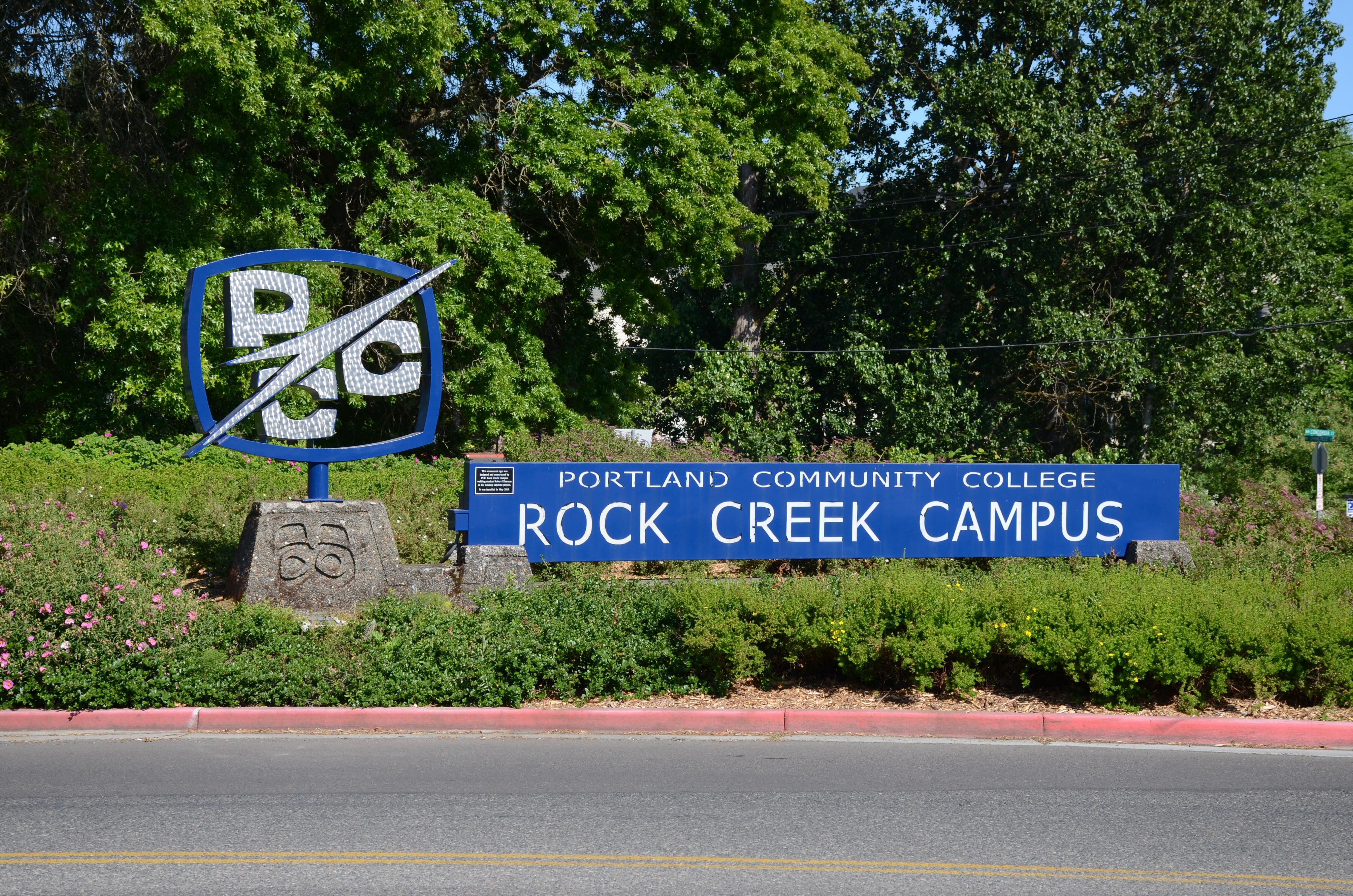
Portland Community College, which serves Bethany-area students through its Rock Creek campus, received a separate $1.2 million grant from the same $10 million pool. That money funds expanded dual-credit semiconductor courses and PCC's 10-day Quick Start Semiconductor Technician Training program. As we reported Thursday, Oct. 1, the grant is part of a broader semiconductor workforce pipeline that feeds directly into local high school programs.
PCC's grant is not frozen. But the Ambassador program was supposed to put Nvidia-trained faculty on community college campuses statewide, a metric state officials considered central to the partnership's success. No Nvidia-certified AI faculty are in place at any Oregon community college.
Nvidia CEO Jensen Huang signed the one-year agreement with Gov. Tina Kotek and Higher Education Coordinating Commission (HECC) Executive Director Ben Cannon in April 2025. The deal promised to bring AI classes and technologies into Oregon schools and colleges.
About $8.5 million of the $10 million was awarded in April 2026 to three community colleges, four universities and one nonprofit. The grants went through the Frontiers of Advanced Semiconductor Technology (FAST) program, a collaborative led by Oregon State University with 95 public and private partners.
The remaining $1.5 million, set aside for the Ambassador program, has not been spent, according to HECC spokesperson Endi Hartigan.
Faculty who applied got bad news this spring. A Southern Oregon University professor received an email saying the program was suspended "until further notice," according to university spokesperson Joe Mosley. At Oregon Institute of Technology, spokesperson Ashley VanEssen said applicants were told Nvidia was "restructuring the program internally."
"To my knowledge, our faculty have not received any additional updates since then," VanEssen told the Oregon Capital Chronicle.
Nvidia confirmed the pause in a written statement but did not explain why. The company said it is working through next steps with state partners. The Oregon Department of Education, despite being mentioned in the original partnership announcement, said it has no plans within the scope of the agreement, according to department spokesperson Liz Merah.
Luke Harkins, a spokesperson for Gov. Kotek's office, said in a statement that the governor supports the original intent of the agreement to prepare Oregon's workforce.
For Bethany-area families, the immediate question is whether the stall will slow the growth of semiconductor dual-credit options at PCC. Beaverton School District juniors and seniors already take PCC courses at Rock Creek through the Opportunity Knocks program, and the PACTEC consortium offers dual-credit semiconductor manufacturing courses through PCC faculty.
No statement from PCC about the Ambassador program's impact on its plans has been made public. The fate of the $1.5 million in unspent funds also remains unclear.