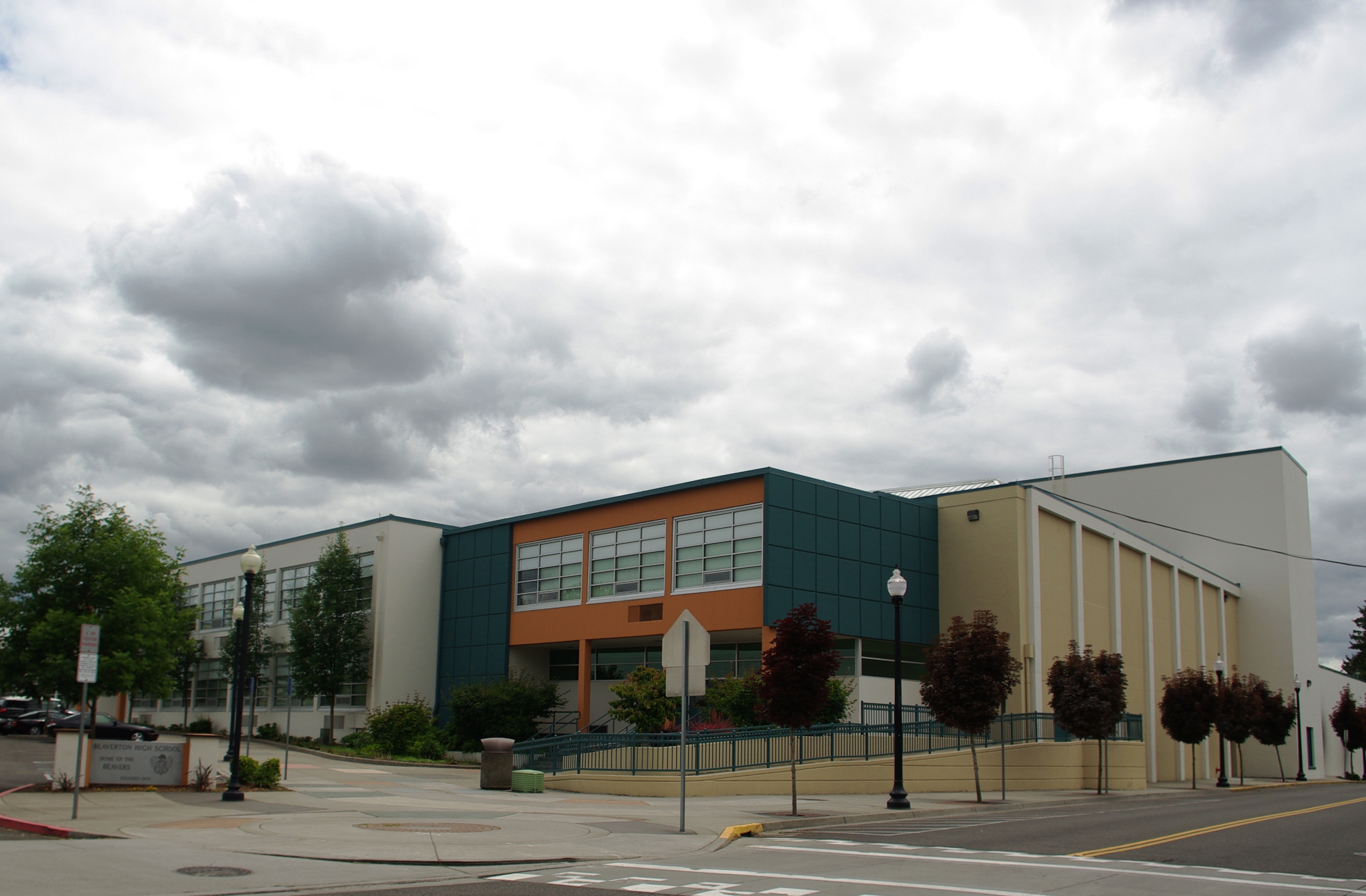
Beaverton School District schools must hit state targets for attendance, reading and graduation starting in fall 2026 or risk losing state funding.
The mandate covers all 197 Oregon districts, including every campus serving Bethany, Cedar Mill and West Haven-Sylvan families. Championed by Gov. Tina Kotek and approved by the Legislature in 2025, the framework carries escalating consequences. Districts that miss their targets within two years must accept state coaching. Three years of missed goals triggers "intensive coaching." After four years, the state can take control of up to 25% of a district's state funding, OPB reported Monday, Oct. 12.
For BSD, Oregon's second-largest district with 35,703 students across 53 schools, the stakes arrive alongside a budget already strained by declining enrollment and rising costs. The School Board adopted its 2026-27 budget on June 9 after describing the district as "navigating the combined impact of declining enrollment, rising operational costs and shifts in local funding."
What the state is measuring
Districts must work toward statewide Performance Growth Targets that include a regular attendance rate of 78.3%, an on-time graduation rate of 92.3% and a ninth-grade on-track rate of 94.9%, according to a September 2026 Oregon Secretary of State audit. Two key metrics, third-grade reading and eighth-grade math, rely on standardized tests.
The state's own numbers show how far Oregon has to go. Statewide, just 41.5% of third-graders met English Language Arts proficiency targets in 2025-26, according to OPB's reporting on state test results. The goal is 52.6% by 2029-30. In eighth-grade math, only 30% of students hit the mark against a 52% target.
Oregon also has one of the nation's highest chronic absenteeism rates. More than a third of students missed 10% or more of the 2024-25 school year, according to OPB.
Where BSD stands
BSD students outperformed statewide averages in all subjects and grade levels in 2025-26, according to district data released Sept. 24. Elementary students exceeded the state reading proficiency rate by 11% or more at each grade level. Math proficiency topped the state average by nearly 11%, with third-graders posting the largest gain at 5.7 percentage points.
But the district's lead is shrinking. Statewide growth outpaced local gains across all subjects. Disparities persist: Black, Hispanic, Native American, Pacific Islander, English-learner and students experiencing disability, poverty or houselessness scored below the district average.
Superintendent Tony Smith, who started July 1 after nearly 20 years at Denver Public Schools, acknowledged the pressure in an Oct. 1 post on the BSD website. "Student outcomes show areas of strength and areas where we simply need to do better," Smith wrote.
The district is rolling out new math curriculum aligned to state standards for grades K-12 and deepening its language arts curriculum based on the science of reading, according to BSD.
Concerns about support and funding
A complication: Oregon law allows families to opt out of standardized tests. Between 11% and 14% of students skipped last year's exams, with higher opt-out rates at the high school level, according to OPB. That gap could skew the data districts are now judged on.
The Oregon Department of Education (ODE) says all districts will get access to an "ODE Support Suite" of existing resources and tools. It won't be available until early 2027, months after tracking begins.
"If we just create accountability consequences, but forget to do the part of how we actually improve, then we just have a recipe for failure," Pooja Bhatt, founder of the Oregon Network for Education Excellence and a former education policy staffer for Kotek, told OPB.
Oregon's Quality Education Commission estimated in August that meeting the new targets would require nearly $5 billion more in state spending for the 2027-29 school years. That figure represents roughly 41% above the current $11.3 billion allocation, according to the Oregon Capital Chronicle.
OPB's accountability series continues with additional installments. BSD has not publicly detailed how individual schools plan to meet the new state targets.