Portland-area commuters, including those in Washington County, made up the bulk of respondents in a statewide transportation survey that ranked road maintenance as Oregon's top priority.
About 8,650 residents across the state responded to the survey between August and September. More than 60% live in the Portland metro area, according to an Oregon Department of Transportation (ODOT) staff analysis obtained by the Oregon Capital Chronicle and published by the Beaverton Valley Times.
Respondents ranked maintaining roads, fixing potholes and clearing debris as the top priority among six options. Preserving key assets such as aging bridges came second, followed by improving safety. Making it easier to bike and walk, reliable public transit and better traffic flow rounded out the list. Better traffic flow ranked last.
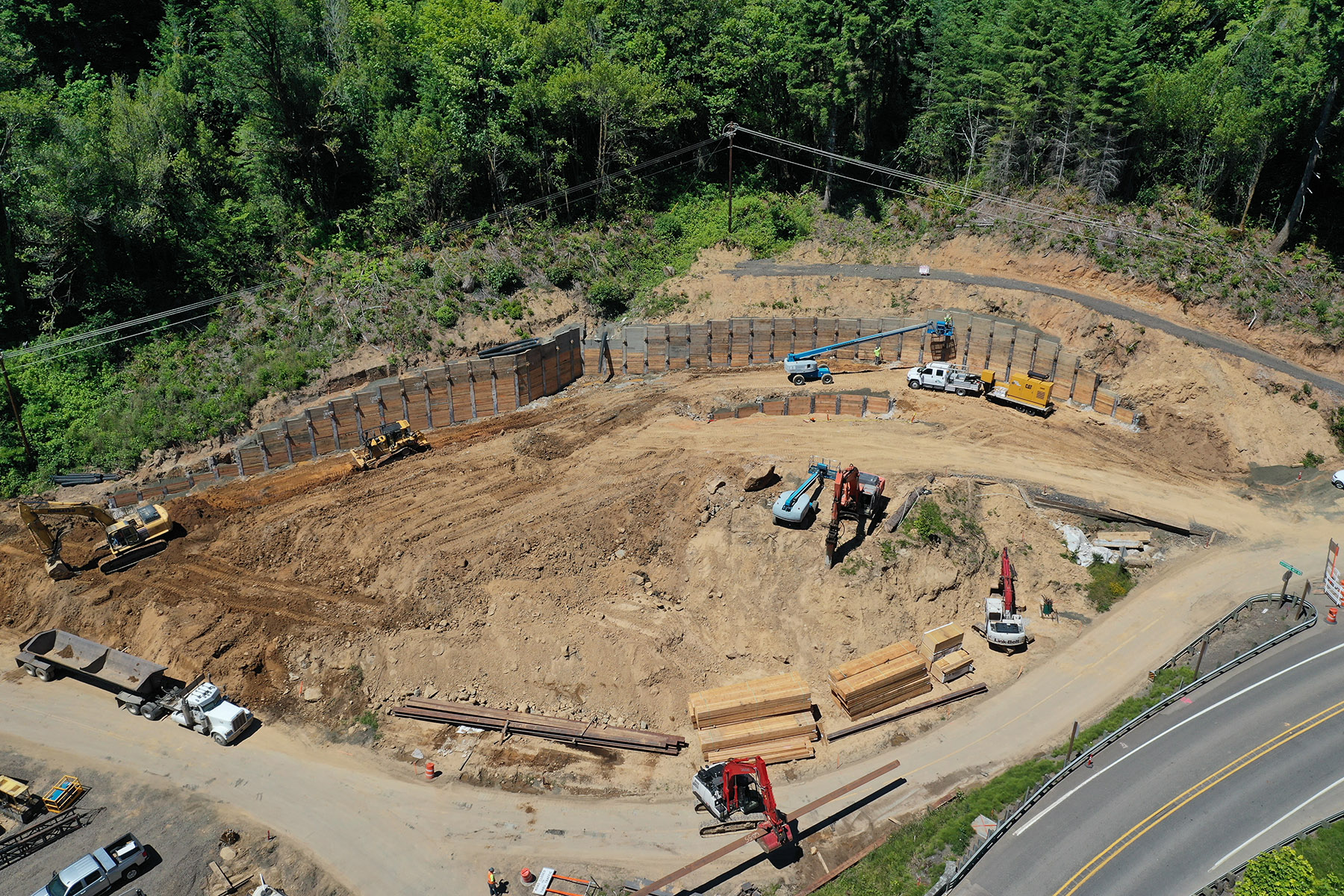
The results arrive as ODOT faces a $200 million budget gap in the 2027-29 budget cycle. A Pew Charitable Trusts study published in September found Oregon has the sixth-largest highway and bridge maintenance gap in the country, needing $4.8 billion to meet repair targets. That includes $1.8 billion for highways and nearly $3 billion for bridges.
Gov. Tina Kotek's Rebuilding Our Transportation Vision Workgroup, a 12-member body co-chaired by Grace Crunican and Bruce Hanna, is scheduled to hear the survey findings at its Friday, Oct. 9 meeting. The group must present funding recommendations to Kotek by the end of the year, ahead of the 2027 legislative session.
Finding money will be difficult.
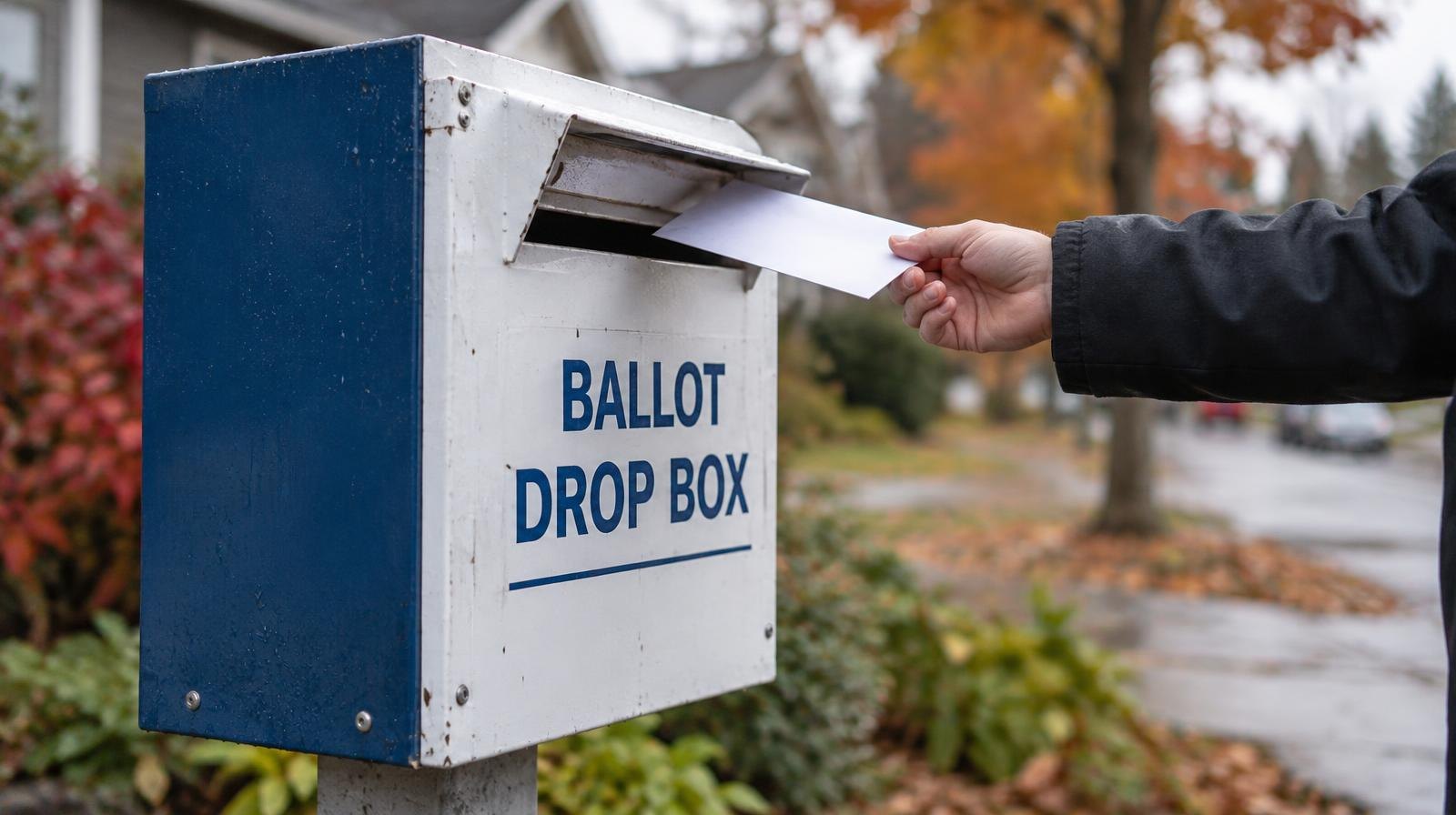
More than 80% of Oregon voters rejected a May 2026 ballot measure, the Oregon Capital Chronicle reported in June. The measure would have raised gas prices by 6 cents per gallon, doubled the transit payroll tax and increased registration and title fees. Revenue from gas taxes and vehicle fees flows into the State Highway Fund. Half goes to ODOT; the rest is split among counties and local transportation agencies.
Nearly 4,600 respondents left written comments on the survey's first question. Hundreds expressed frustration with cuts to TriMet, the Portland-area public transit agency. Commenters said they depend on transit because they cannot afford a car or have health issues that prevent driving.
"Stop pushing ridiculously expensive freeway expansion projects that do nothing at all to address safety, congestion, connectivity or reliability in our transportation system … Develop and maintain a transportation system that provides options people can afford, rather than mandate car ownership," one anonymous respondent wrote.
Other commenters pushed back against new taxes. "No new taxes. There are too many taxes in Oregon," one wrote. "Reduce expenses first. Increase efficiency," another added.
When asked what a well-managed system looks like, 20% of more than 6,800 responses called for transit options that work across income levels and communities. Another 19% wanted more reliable public transit, and 17% said ODOT should focus on budgeting and delivering projects on time.
The workgroup's Oct. 9 meeting agenda had not been posted as of Thursday, Oct. 1. The group meets monthly through November.