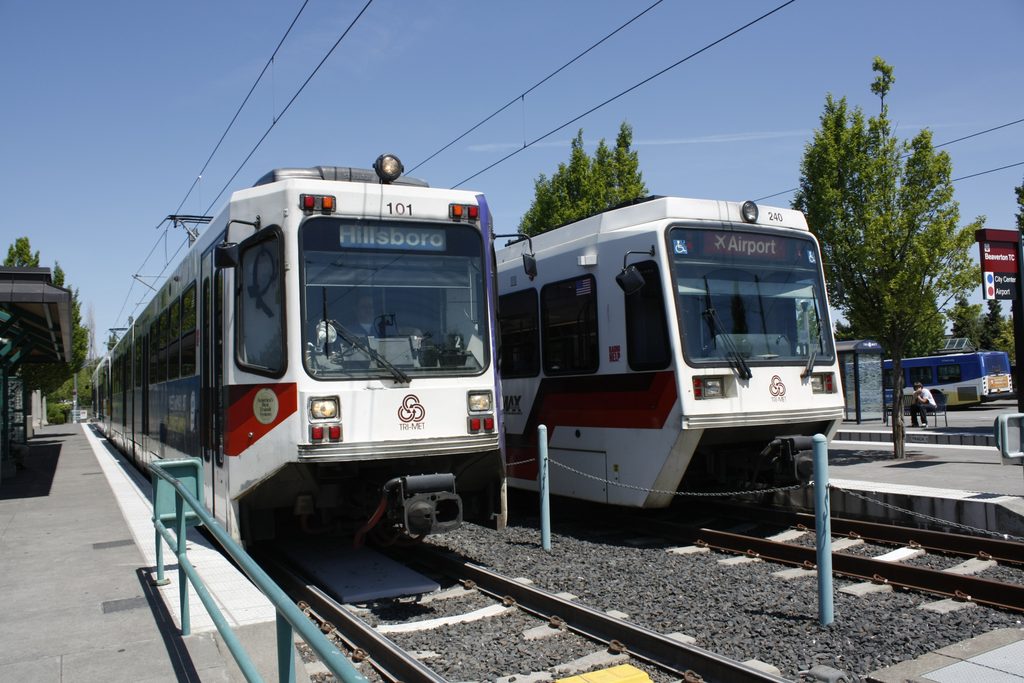
Bethany and Cedar Mill bus riders face major route changes starting Sunday, Aug. 23, when TriMet's sweeping service cuts take effect across the Portland region.
The changes most relevant to local commuters: Line 20 will no longer serve the segment between Beaverton Transit Center and Sunset Transit Center, Line 19 is being merged with Line 58 with evening service ending around 9:30 p.m., and Line 62 schedules along Murray Boulevard will shift by up to 22 minutes.
The cuts are part of TriMet's effort to close a $158 million budget gap that took effect July 1, according to the Portland Tribune. In all, TriMet is changing 34 bus lines and eliminating two entirely.
What's changing for local riders
Line 20 (Burnside/Stark): The route will no longer serve between Beaverton Transit Center and Sunset Transit Center. Line 76 (Hall/Greenburg) is being extended to cover that gap. Riders along that corridor can expect buses every 30 to 40 minutes most of the day, according to Cedar Mill News, because TriMet says fewer people ride in that area.
Line 19 (Glisan/Canyon Rd): This route is being combined with Line 58 to create a single line running between Beaverton and Gateway transit centers. Weekday service ends around 9:30 p.m., and weekend buses will run about every 60 minutes. TriMet had originally proposed eliminating Line 19 entirely but kept it after receiving feedback about access to medical facilities, disability programs and senior housing along the route.
Line 62 (Murray Blvd): Weekday schedules will be adjusted by up to 22 minutes. This line serves the Cedar Mill and Bethany area directly.
Line 76 (Hall/Greenburg): While gaining the Beaverton-to-Sunset segment from Line 20, this line is losing service between Tualatin and Oregon City Transit Center.
Why the cuts are happening
TriMet's operating costs rose an average of 56% between 2019 and 2025, while revenues have not kept pace, according to KATU. The agency first disclosed a $300 million structural deficit in July 2025. Since then, it has cut more than 500 positions, reduced administrative spending by $44.4 million and drawn $187.4 million from reserves.
The agency says it must reduce service levels by at least 10% by July 2028 to align spending with revenue. More cuts are coming.
Bruce Hansen, president of Amalgamated Transit Union Local 757, which represents TriMet operators, warned the cuts will hurt riders who depend on paratransit. "You're going to see a lot of paratransit folks that aren't going to have access because paratransit folks are only accessible when they're able to be within three quarters of a mile of a fixed route," Hansen told KATU on Aug. 19. "That's going to be a big impact for our disabled folks who have limited mobility anyway."
What's next
The Aug. 23 changes arrive just weeks before a planned southbound Interstate 5 shutdown, which TriMet says will push more riders onto MAX lines. TriMet spokesperson Tyler Graf said Aug. 19 the agency will "be actively monitoring road conditions throughout the project and will be ready to adjust service as needed."
TriMet gathered 8,138 responses through its January 2026 feedback survey, conducted online and at 16 open houses, and adjusted proposals on 12 lines based on that input. The agency plans similar community outreach this fall for the next round of proposed 2027 reductions. Full details on all current route changes are available at trimet.org/servicecuts.